
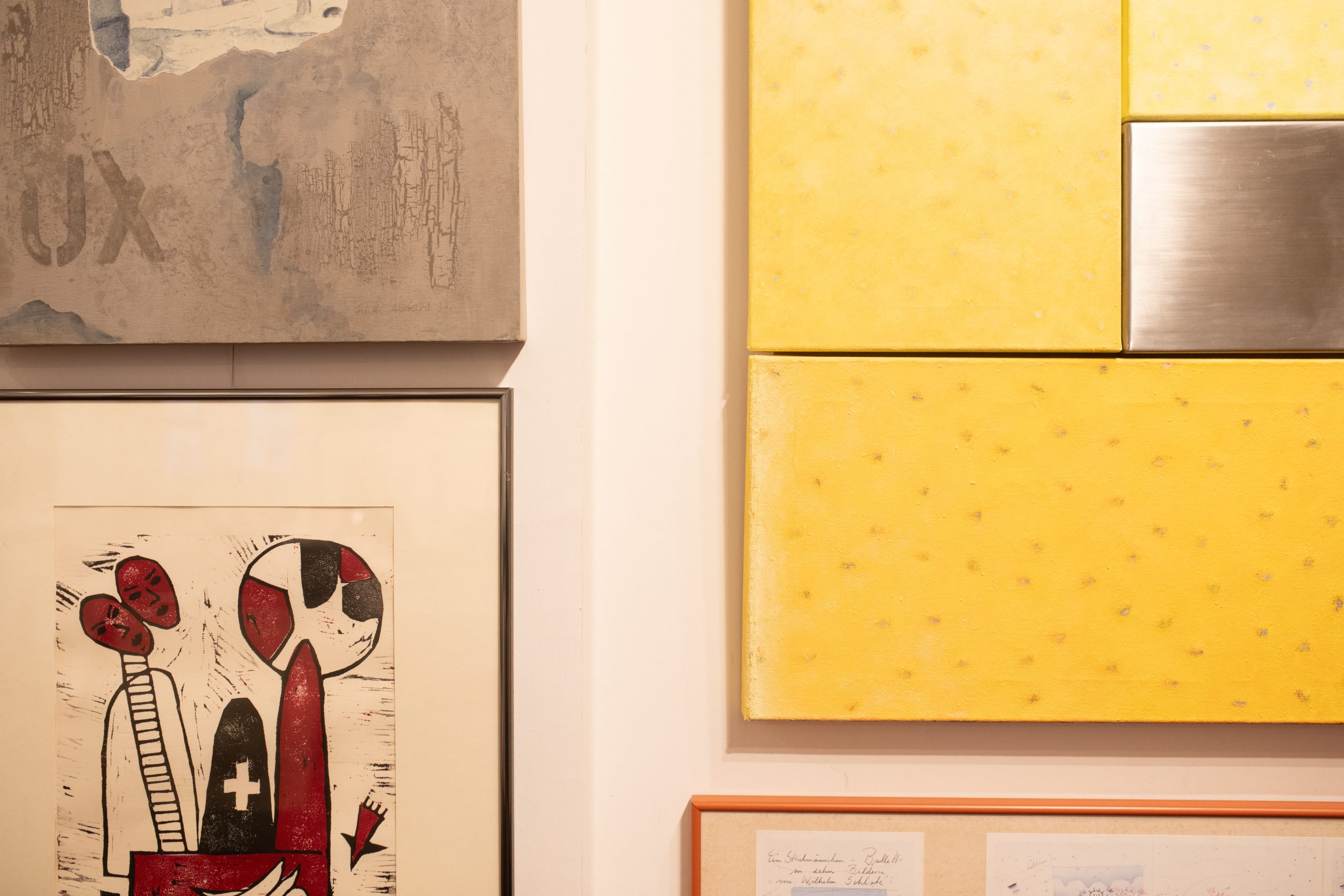
Being Uncommercial Is Not the Same as Being Radical
There is a widespread belief that refusing the market is, in itself, a radical gesture. That distance from money equals integrity. That difficulty equals seriousness.
But being uncommercial does not automatically make work critical, resistant, or meaningful.
Sometimes it simply means the work hasn’t found its context yet.
Radicality is not defined by sales figures. It is defined by position: how a work relates to its conditions, its history, and its audience. Some artists operate critically within commercial systems. Others reject them entirely. Both positions can be rigorous — or empty.
The danger of this myth is that it turns refusal into identity. Artists begin to protect themselves from disappointment by framing invisibility as virtue. Rejection becomes proof of purity.
But withdrawal is not the same as resistance. And obscurity is not a political stance.
Serious work asks harder questions than “Does it sell?”
But it also asks harder questions than “Am I pure enough?”
Radicality is not about avoidance.
It’s about clarity.
Post a comment